
Why APM?
Employee Performance Management systems are in need of a major overhaul
It is essential for organizations to respond quickly to changing markets. To succeed, they must outsmart and outlearn their competitors. Surprisingly, performance management and review practices have barely evolved to address these requirements.
It’s a complex fast changing world
An organization’s ability to adapt relies on its employees. It’s the people who have to come up with new ideas and explore them. They have to be creative and think out of the box to help the organization reinvent itself. They have to be persistent in their efforts to improve the organization. At work, it’s important for employees to utilize their strengths and talents daily.
Research has demonstrated a strong correlation between employee engagement and performance. While organizations understand the importance of engagement, performance management does not reflect this.
Traditional performance reviews are remedial and judging in nature. APM focuses on strengths instead. Help employees identify their strengths and support them to mold their jobs around their strengths.
Organizations realize they need to revamp their performance management system
%
Ineffective use of time
Only 49% believe their performance management system is an effective use of their time.
%
Engagement & performance
Only 10% believe their performance management systems really drives employee engagement and high performance.
%
Drive business value
Only 8% believe that their performance management process drives business value.
*Source: Deloitte Global Human Capital Trends report
What’s wrong with performance management today?
Ok, so we boldly state that employee performance management is in need of a fundamental overhaul. But why do we say this? What is wrong with performance management today?
It’s based on extrinsic motivation
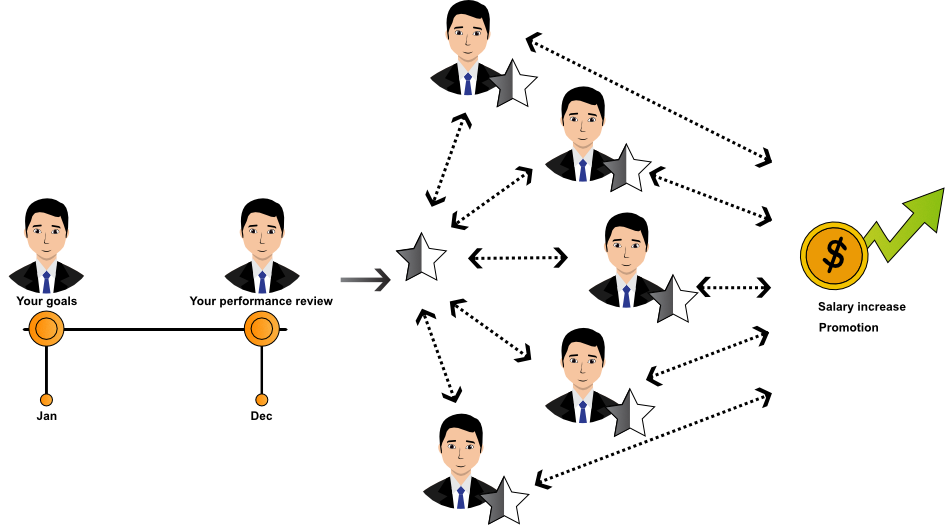
Performance management traditionally relies on extrinsic motivation. Reviews are often tied to job promotions and salary. Much is about reward and judgement.
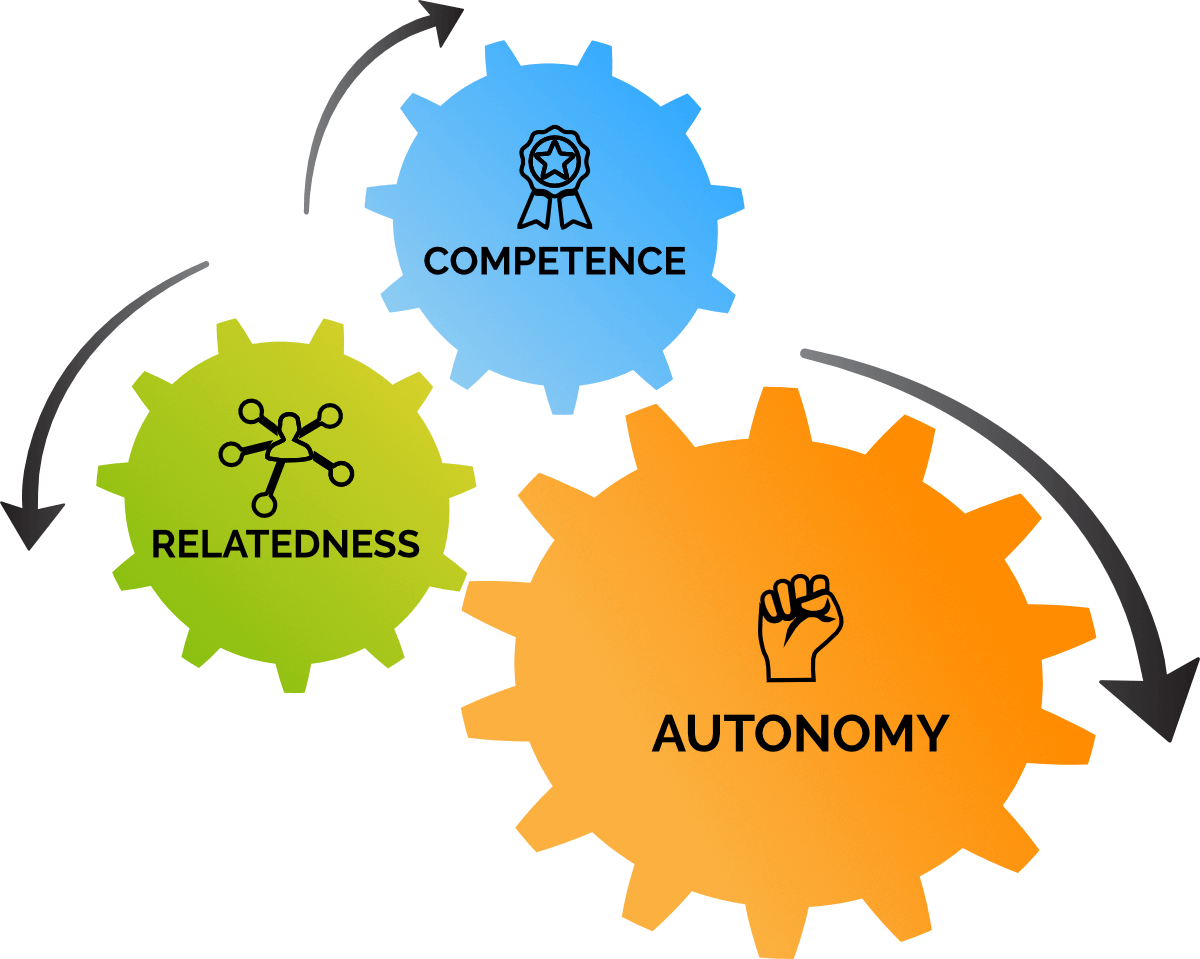
In today’s organizations, intrinsic motivation and engagement are the key to achieving powerful and sustainable performance. But this requires a whole new approach to performance management.
IT LOOKS BACKWARDS INSTEAD OF FORWARD
Traditional performance management tends to look at the past, which unfortunately and contrary to popular belief doesn’t say much about future performance.. The problem exists even in organizations that conduct quarterly review meetings. There is little value is discussing something that happened more than two weeks ago. If you want to help someone improve, you should take action the moment someone needs it. Not on an arbitrary moment in time when a manager organizes a review moment.
Organizations aim for the ability to respond quickly. This requires short feedback loops. So why are performance management practices still based on long feedback loops?

IT IS ABOUT SOMEONE ELSE’S GOALS
If you review the performance of your employees and set goals accordingly, you are missing out on a huge opportunity. Because by doing so the goals become yours. Not theirs. While a professional will strive to achieve the goals,that’s not the same a pursuing their own goals.
A lot of managers claim to support employees in establishing their own objectives. To make this work, there are two essential steps: Assist them in understanding how their work aligns with the organization’s goals. And second, instead of reviewing their performance, help them measure their own progress.

IT COST’S A LOT OF TIME
Another issue of typical performance appraisal systems is they cost a lot of time. Especially 360 degree feedback systems that involve multiple sources take up a huge amount of time. For example Deloitte found”creating the ratings consumed close to 2 million hours a year”.
Two million hours a year! On trying to rate someone’s performance. Which means you haven’t improved a single thing yet. You just measured performance in the past.
If you could spend even half that time on directly supporting employees, the results would be staggering.
IT doesn’t REALLY support PERSONAL GROWTH
You might expect that an organization focuses on personal growth of their employees. After all, their growth contributes to the company’s growth. But take a good look at the performance management system in your organization.
If your system involves ratings, you are probably using it for comparing employees, rather than focusing on their growth and strengths. Comparing them to each other or to some standard or target. Who performs best? Who should get that promotion? How do we divide salary increases?
To support employees to thrive, you don’t need to review or compare them. You need to give them attention.
It prioritizes performance over values
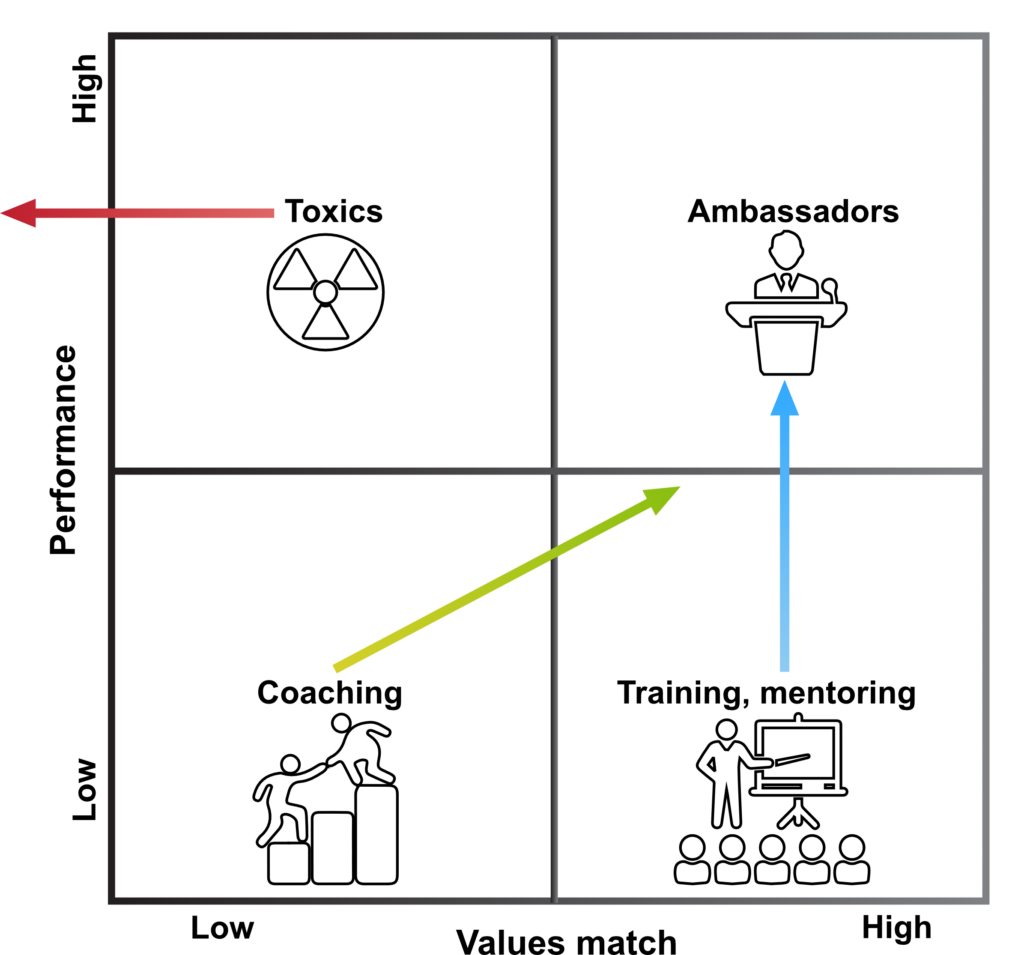
Core values only work if you take them seriously. They need to be uncompromising. Many organization share core values. Yet, performance management is still mostly all about…performance. But once you jump on the core values bandwagon you cannot just assess hard performance anymore. You will also need to assess values aligned behavior. And values cannot be compromised anymore for short term performance.
IT IS JUDGMENTAL
Although this might sound somewhat unfriendly, it is nevertheless true in most organizations. Managers judge how well employees are doing their jobs and pureeing their goals. And it sound logical too. But when you judge, you make it about you. Your opinion. And by the way, your opinion is neither objective, nor accurate. But it should evolve around them.
Employees don’t want feedback. They want attention. We suggest frequent check-in meetings instead of review and feedback meetings.

IT MEASURES THE INDIVIDUAL RATHER THEN THE COLLECTIVE PERFORMANCE
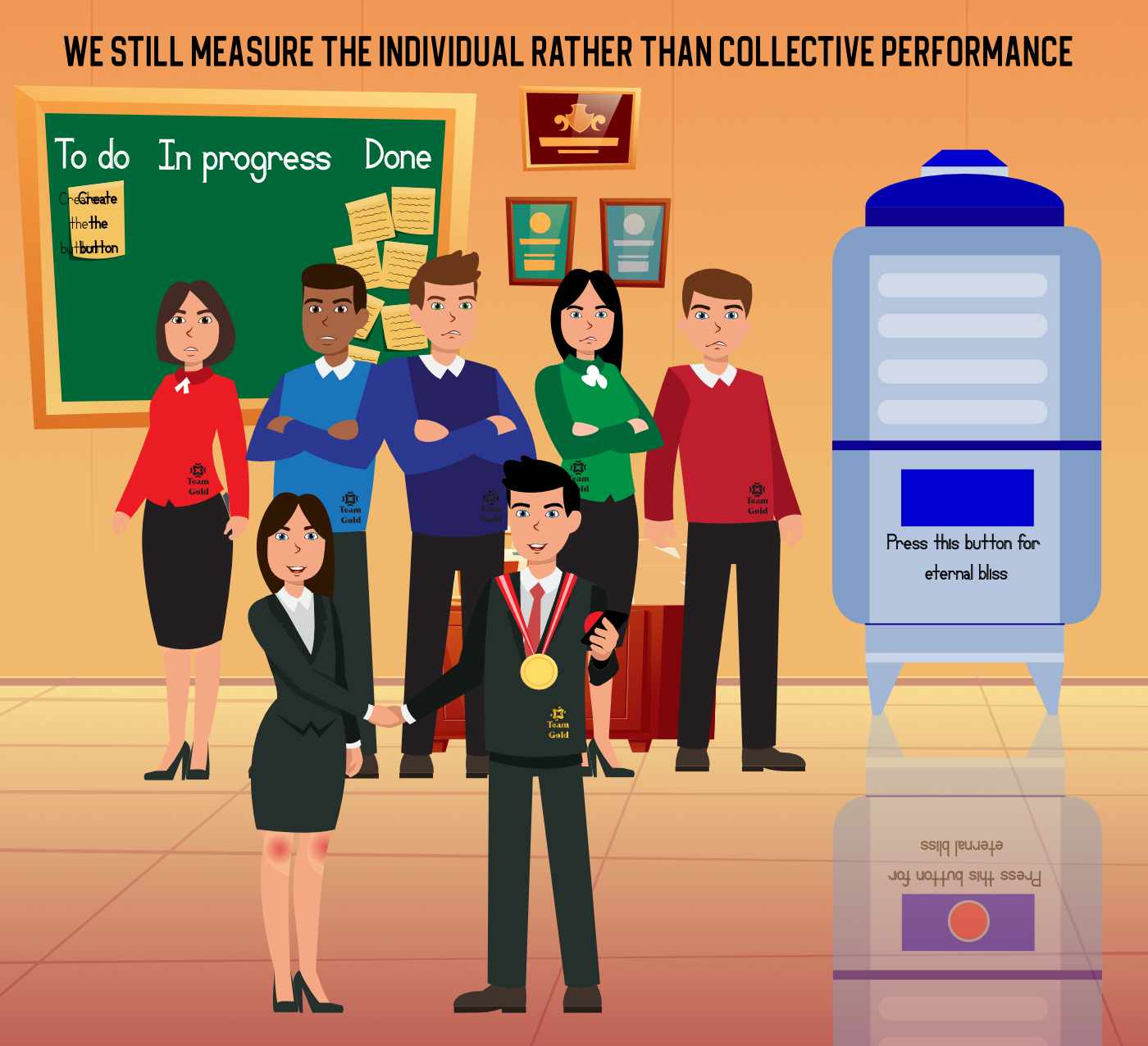
People do not work in isolation. They depend on others and others depend on them. Many people work in teams. Merely measuring individual performance does not reflect this collaborative nature of work.
Yet, most formal appraisal meetings are based on individual performance. Being reviewed on goals that are only partly under your control isn’t very motivating. It can also trigger the wrong behavior: we don’t want someone to be the lone hero. We want them to work together.
IT PROVIDES unreliable DATA
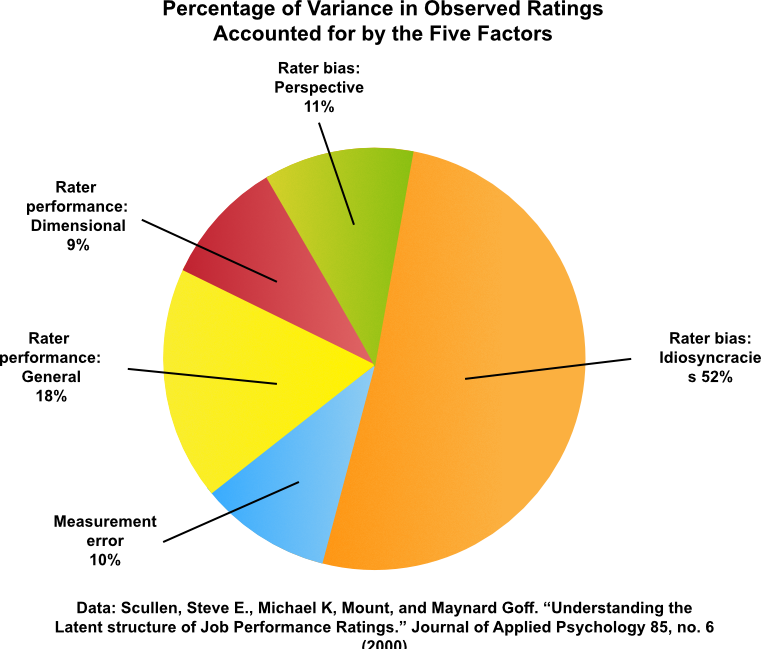
Here’s the biggest issue of them all: the ratings are simply unreliable. Extensive research indicates that performance ratings reveal more about the rater than the person being rated. Over 60% of the variance between ratings is not explained by performance differences but by idiosyncratic rater biases.
Think about this for a second. Someone’s salary increase, promotion, job description, even getting fired or not, typically depends on performance ratings… and they absolutely suck.
Here’s another shocking fact revealed by research: The correlation between individual performance ratings and business results is zero. Performance reviews simply are not a good indicator of… performance.
360 degrees feedback is not better
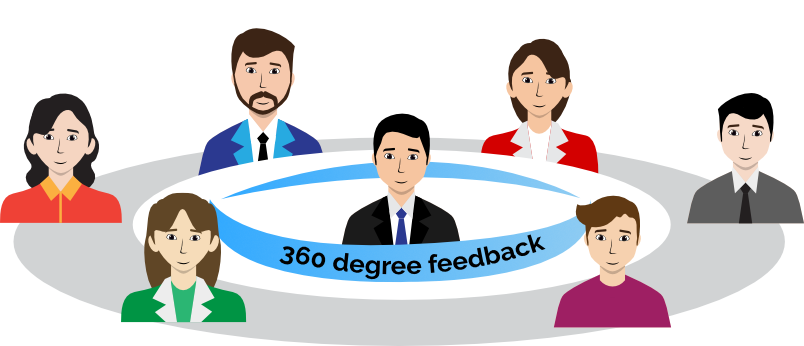
360 degrees feedback has become the standard in most organizations since the nineties. But it actually isn’t any better than other traditional review systems.
Some argue that the multiple data sources in 360 degrees feedback solve the issue of the idiosyncratic rater effect. But this isn’t so. Multiple bad data sources just lead to more bad data.
Another issue is you might unintentionally be pitting employees against each-other. One reason for this is raters are not trained to be good raters. Another is the fact that the 360 degree feedback is largely anonymous which is a problem in itself.
The inclusion of multiple data sources makes it a time-consuming task to complete. Therefore, most organizations organize the feedback only once or twice a year. And we already covered why that is bad.
Do you recognize any of these issues?
There’s a good chance you’ll recognize a few of these concerns within your organization. Despite good intentions, employee performance management hasn’t kept up with the evolving challenges faced by organizations.
APM is designed to address these issues from the ground up. APM relies on research-backed practices that have been proven effective in organizations such as ADP, Adobe, and Deloitte.
Near real-time
APM uses near real-time ultra short feedback loops to ensure performance related conversations are in the moment. supportive, and actionable.
Focus on strengths
APM focuses on strengths instead of weaknesses. Support employees to mold their jobs around their unique strengths.
Support engagement
Employee engagement is a leading indicator for business performance. Support and measure engagement, rather than individual performance targets, reviews, and ratings.
Reliable metrics
APM emphasizes leading indicators over lagging ones, and minimizes the idiosyncratic rater effect.
Attention over feedback
Feedback doesn’t work if nobody likes it. Frequent supportive attention works much better than judging feedback.
collaborative nature
APM balances individual employee needs with the collaborative nature of work.
Merit over position
Historically, influence and perks have been determined by one’s position in the hierarchy. APM focuses on merit instead.
Values & performance
APM provides actionable tactics to balance values aligned behavior and performance.
Self-tracked performance
Keeping track of your own performance enhances motivation. Managers coach instead of review.
The advantages of Adaptive Performance Management
The Adaptive Performance Management (APM) framework offers several key advantages that address common challenges in traditional performance management systems:
Enhancing Employee Engagement:
APM emphasizes fostering intrinsic motivation by creating a workplace that supports autonomy, relatedness, and competence. This approach leads to increased creativity, persistence, and overall performance.
Leveraging Individual Strengths:
Instead of focusing on improving weaknesses, APM identifies and cultivates employees’ strengths. This strategy enables individuals to excel in areas that energize them, boosting both productivity and job satisfaction.
Promoting Collaboration and Teamwork:
Recognizing the collaborative nature of modern work, APM helps employees understand how their roles impact others. This clarity fosters effective teamwork and a shared sense of purpose.
Implementing Short Feedback Loops:
APM replaces traditional, infrequent performance reviews with regular check-ins focused on current goals and support needs. This approach ensures feedback is timely, actionable, and relevant.
Providing Cost-Effective Solutions:
By eliminating time-consuming performance ratings and focusing on meaningful support, APM reduces administrative burdens and directs efforts toward actual performance improvement.

Curious how your organization is doing?
Take the APM quick scan and get a free report on how your organization stacks up against APM guidelines and practices.