
Getting started
Tips on implementing Adaptive Performance Management
You may already be experiencing the burden of a time-consuming employee performance management system that isn’t delivering results for your business. But how do you improve? Where to start? In a comprehensive overview, we have gathered all the steps, tools, insights, and learnings you need to get started.
Learn
First familiarize yourself with APM. Determine if our approach resonates with you.
Assess
Assess how your performance management system measures up to APM.
Do
Begin the process of fundamentally transforming employee performance management.
Guidelines
Every organization is different. There is no cookie cutter approach. But our guidelines apply in every situation.
Identify deficiencies
We have identified 10 issues with current employee performance management system practices. Do you recognize them?
1. Assess engagement
The first step is to measure employee engagement, since we treat engagement as a leading indicator for performance.
APM Model
The APM model defines carefully designed steps to take to implement APM in your organization.
Quick Scan
Take advantage of our free Quick Scan to receive a detailed report on how well your organization aligns with our guidelines.
2. Assess Strengths
Assess the unique individual strengths of your employees and support them to use their strengths every day.
APM Course
Take one of our courses to get the best out of your journey to improve employee performance management.
Full assessment
Need even more actionable advice? Take the full assessment. Includes a remote call with one of our consultants.
3. Organize Check-ins
Forget yearly review meetings. Don’t judge. Give attention. Start conducting frequent check-in meetings instead.
The APM model
A step-by-step- approach to get you started

The APM method has five core practices and three supporting practices. Together, they support the implementation of modern employee performance management practices that support business agility.

1. Measure engagement
We consider employee engagement a leading indicator for performance. So start by assessing the engagement level in your team, department, or organization.

2. Assess & support strengths
Every employee takes a strengths test to help them identify their personal strengths. From now on, supporting employees to use their strengths in your main focus.

3. Conduct frequent check-ins
Instead of performance review and feedback sessions, you frequently have check-in meetings with your team members. How can you help them achieve their goals?

4. Clarify jobs
Help team members control their own job; measure their own progress; and understand how their job matters to others.

5. Craft goals
Help team members set goals that are cascading; frequent; self-owned; measurable; selfless; and relevant

Curious how your organization is doing?
Take the APM quick scan and get a free report on how your organization stacks up against APM guidelines and practices.
Some of our tools
Job Clarification
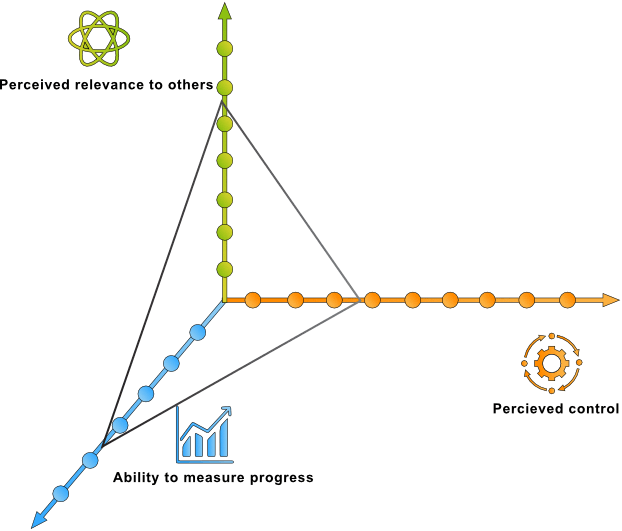
For someone to perform at their best it is crucial there is clarity on one’s job. And it’s your job to help them clarify their job. Our Job Clarification Assessment helps.
Job clarity has multiple aspects:
- Clarity on the why;
- Control over your own job;
- Knowing how your job matters to others;
- Measuring your own progress

Performance-Values Matrix
Most organizations have core values. But are they really part of your performance management system? Values aligned behavior is as important as hard performance.
Learn powerful strategies to balances performance and values aligned behavior. Make sure you do not sacrifice values for performance.
Implementation roadmap
Although every implementation of APM will be different there is of course an approach everyone can benefit from. Hence our implementation roadmap to help you on your way.
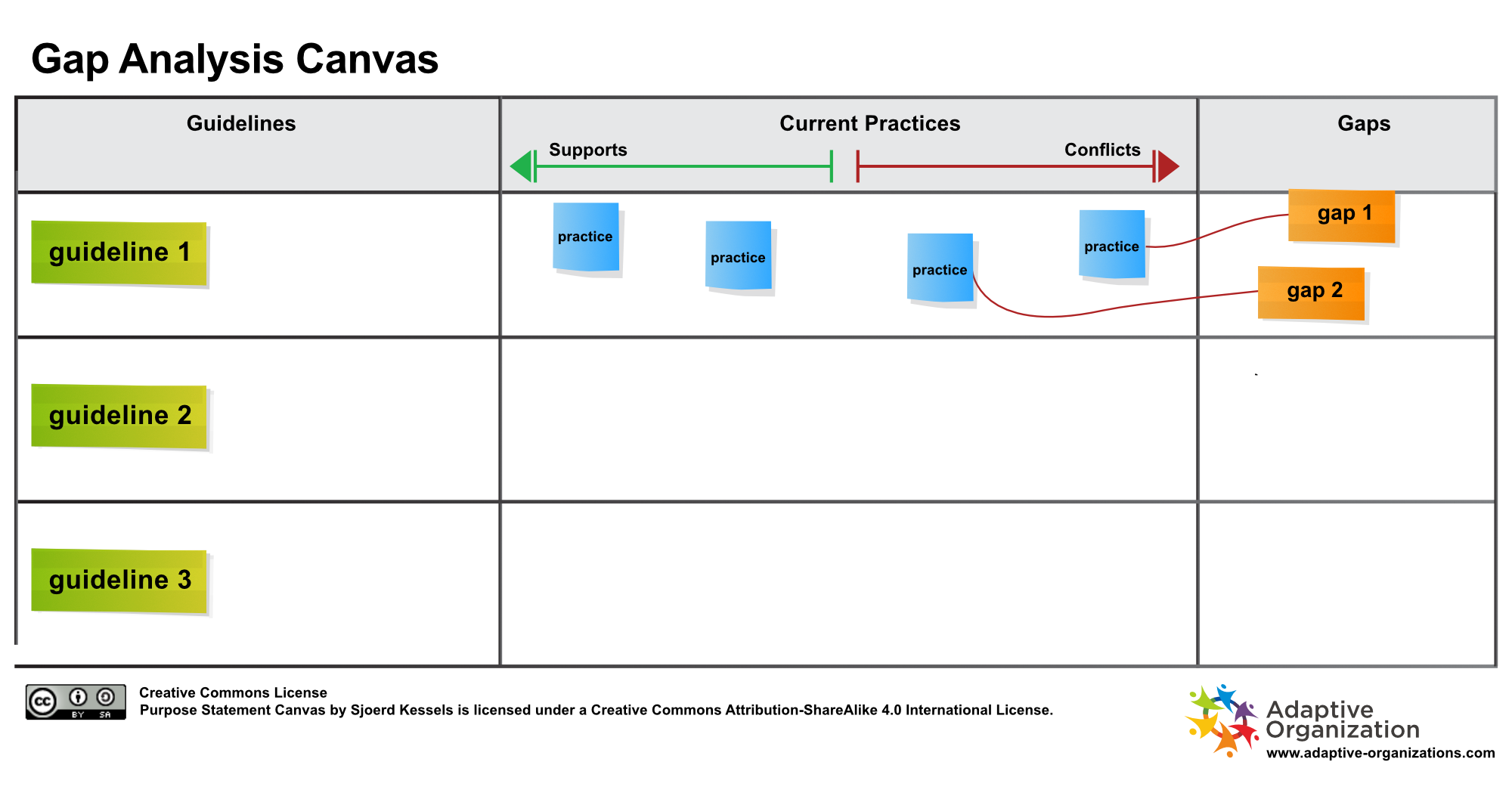
We have useful tips how to gather your change team and build a change vision. One of the implementation tools is a Gap Analyses workshop and canvas that will help you identify gaps in your current practices in relation to the APM guidelines. Another one is the Options Workshop to identify and later prioritize options for improvement. And we guide you to the use of disciplined experiments to actually implement your options.
APM course